Gone Girl by Gillian Flynn is damn good. It’s a thrilling mystery novel that goes back and forth between a husband and wife relaying the events surrounding her disappearance. Loved it. I especially like the strong female character Amy. She’s…
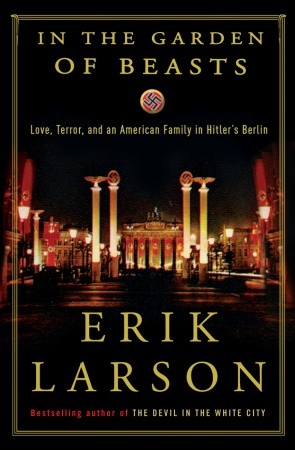
Book Reviews: 3 for the Price of 1
No, I have not stopped reading. I still read a ton, but didn’t feel the urgent need to review my last 3 books since I can’t say I wholeheartedly recommend them. In the Garden of Beasts: Love, Terror, and an…

Book Review: My Sister’s Keeper
For a book that’s 423 pages long, Jodi Picoult’s My Sister’s Keeper was a quick read. At the heart of the story is a 13-year-old girl Anna who was born because her parents wanted to genetically engineer the perfect match…
Book Review: Wench
Dolen Perkins-Valdez’s book centers on women referred to as ‘wenches,’ slaves who are also mistresses to their masters. The main character Lizzie lives a comfortable life on the plantation of a lenient master. She lives in the main home, bears…
Book Review: Wild: From Lost to Found on the Pacific Crest Trail
This was a book club pick: Cheryl Strayed’s “Wild: From Lost to Found on the Pacific Crest Trail.” I rarely read autobiographies or biographies in general, but this one is stand-out. It beats Jeannette Walls’s “The Glass Castle” and Gabrielle…
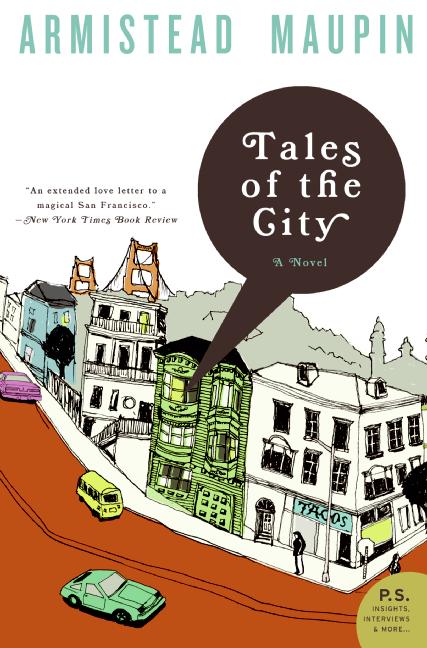
Book Review: Tales of the City
Thank God for bookstores. When I was browsing Books Inc on Haight Street, I came across Armistead Maupin’s Tales of the City on a wall of employee recommendations. I’d heard of both the book and the author. I know it…
Book Review: No Country for Old Men
I finished this book a while ago, but quickly forgot about it. I never really got into it. Maybe because I couldn’t relate to the characters. Maybe because I thought the writing was mediocre. Here is my biggest gripe about…
Book Review: The Mayor of Casterbridge
Thomas Hardy’s The Mayor of Casterbridge is the exact opposite of Vendela Vida’s The Lovers. It’s an old classic. It’s very much written like other serial page-turning literature like Charles Dickens. And it’s GOOD. So good. It’s been a while…
Book Review: The Lovers
I’ve got two book clubs coming up, one week after the other. This week, we’ll be discussing Vendela Vida’s The Lovers. I was really glad to finally read Vendela Vida who is a well-known San Francisco author. She’s also married…
Book Review: Never Let Me Go
I finished Kazuo Ishiguro’s Never Let Me Go last week. Not a long book. Ishiguro also wrote The Remains of the Day which won the Booker Prize. I’ll have to add that to my Amazon cart. The book goes quickly…